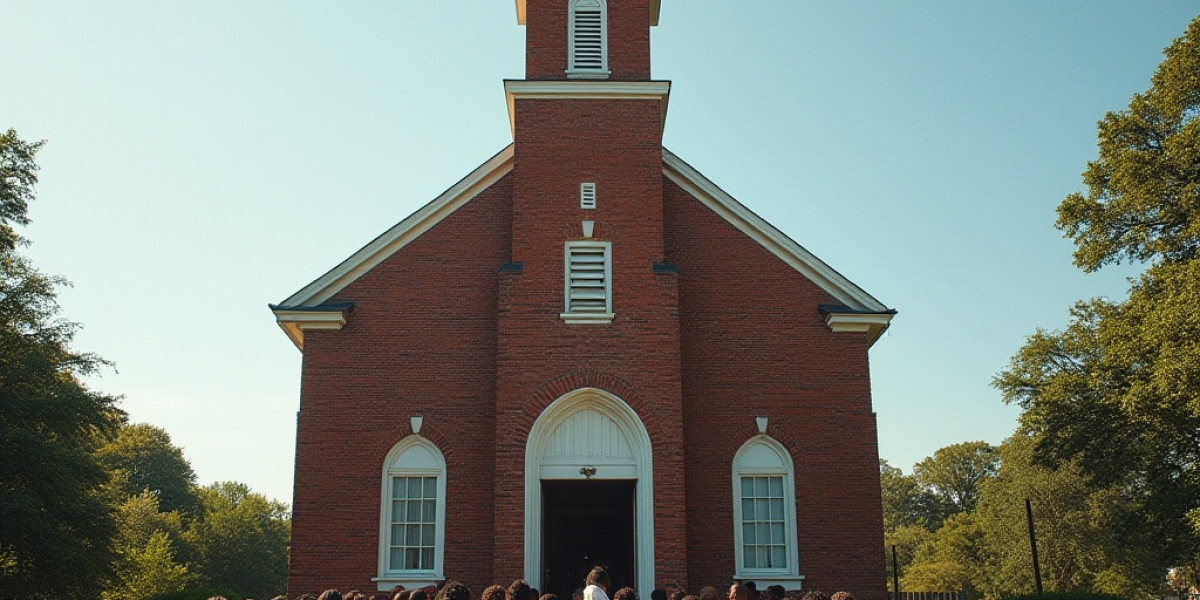

The Black church in America is more than a religious institution—it's a cultural cornerstone, a refuge, a catalyst for change, and a testament to resilient faith under oppression.
Historical Roots
The Black church emerged from one of history's darkest chapters. During slavery, enslaved Africans were often forbidden from practicing their native religions and were introduced to Christianity—sometimes as a tool of control, with Scripture twisted to justify bondage.
Yet something powerful happened: enslaved people encountered the true Christ in Scripture. They found a God who liberates, who hears the cries of the oppressed, who delivered Israel from Egypt. They saw their own story in the Exodus narrative.
In secret gatherings—called "hush harbors"—enslaved believers would worship, pray, and find hope. These clandestine meetings became the seeds of the Black church tradition.
More Than Sunday Service
After emancipation, Black churches became the center of African American community life. They were schools, political organizing centers, social service hubs, and safe spaces in a hostile world.
When Jim Crow laws barred Black Americans from white institutions, the church stepped in. It educated children, supported families, provided mutual aid, and preserved dignity in the face of dehumanization.
The Black church didn't separate "spiritual" from "social" concerns—it understood that the Gospel addresses the whole person and the whole community.
The Civil Rights Connection
The civil rights movement was born in Black churches. Dr. Martin Luther King Jr. was a pastor. So were many other movement leaders—Ralph Abernathy, Fred Shuttlesworth, C.T. Vivian, and countless others.
Churches provided meeting spaces, organized boycotts, trained activists in nonviolent resistance, and grounded the movement in Christian principles of love, justice, and human dignity.
The spirituals and hymns of the Black church became the soundtrack of the movement—"We Shall Overcome," "Ain't Gonna Let Nobody Turn Me Around," "This Little Light of Mine."
Faith wasn't separate from the fight for justice; it was the foundation.
Distinct Worship Traditions
Black church worship has distinctive characteristics that reflect African cultural retention and the crucible of the Black American experience:
Call and Response - The interactive dialogue between preacher and congregation, rooting worship in community participation rather than passive observation.
Emotionally Expressive Worship - Freedom to shout, dance, cry, and physically express spiritual experience without restraint or judgment.
The Prophetic Preaching Tradition - Sermons that connect biblical text to contemporary social realities, speaking truth to power while offering hope.
Gospel Music - A uniquely American art form born from spirituals, blues, and jazz, expressing both suffering and joy, lament and praise.
These traditions aren't just stylistic preferences—they reflect a theological understanding that worship engages the whole person and that faith speaks to real-world conditions.
Challenges and Evolution
Today's Black church faces new challenges. Younger generations question institutional church structures. Megachurch culture sometimes emphasizes prosperity over justice. Theological debates over sexuality and gender create tension.
Some criticize the Black church for being too conservative on social issues, while others say it's abandoned its prophetic voice for cultural acceptance.
Yet the Black church continues to adapt while maintaining its core mission: spiritual formation, community care, and prophetic witness.
What the Broader Church Can Learn
The Black church tradition offers vital lessons for all Christians:
Faith and Justice Are Inseparable - The Gospel addresses spiritual and social realities. Liberation theology isn't a departure from Christianity—it's central to the biblical narrative.
Lament Is Sacred - The Black church holds space for pain, anger, and grief while maintaining hope. This emotional honesty enriches worship.
Community Over Individualism - Church isn't just about personal salvation; it's about collective flourishing and mutual responsibility.
Prophetic Courage - Speaking truth to power, even at great cost, is part of faithful Christian witness.
Conclusion
The Black church has shaped American Christianity in profound ways—through its music, preaching style, social activism, and theological contributions. Its history is one of faith under fire, hope amid suffering, and unwavering commitment to both spiritual and social liberation.
Understanding this legacy isn't just about acknowledging Black history—it's about recognizing a vital expression of the universal Church and learning from a community that has lived out the Gospel in the crucible of oppression.
The Black church reminds all believers that faith without works is dead, that worship without justice rings hollow, and that the God of Scripture is always on the side of the oppressed.